Changing Directions

I have decided to change the direction of Estateography a bit. Future posts will involve more analysis of Virginia law. The first post in this new direction is here: http://ychlaw.com/thorsen-v-rspca-comments/.

I have decided to change the direction of Estateography a bit. Future posts will involve more analysis of Virginia law. The first post in this new direction is here: http://ychlaw.com/thorsen-v-rspca-comments/.
In the recent case of Kim v. Kim, the Virginia Supreme Court addresses the "benefit" element of the test for presumed undue influence. The “benefit,” it seems, can be indirect; however, it must be “immediate,” “express,” or not too “uncertain and contingent.”
In Irving v. DiVito [http://www.courts.state.va.us/opinions/opnscvwp/1170071.pdf], the Virginia Supreme Court determined the circuit court did not err in refusing to admit to probate a writing offered as a holographic codicil. The writing at issue in Irving is clear about the intended dispositive
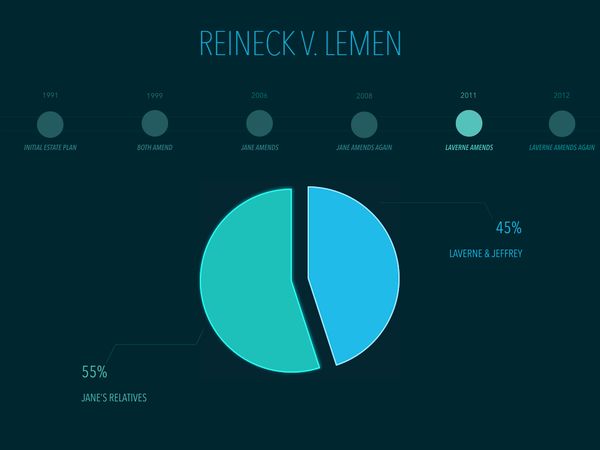
In Reineck v. Lemen, 792 S.E.2d 269 (Va. 2016), the Virginia Supreme Court interpreted a power of attorney to allow the agent thereunder to change the principal’s estate plan. The opinion is interesting for what it reveals about the granting of hot powers (powers that, by statute,
The estate tax exemption amount is the amount that the federal government allows you to leave to your kids, grandkids, and people other than your spouse and charity without paying estate tax. In 2015, that amount is $5.43 million. The amount is indexed for inflation, so it goes up